
French restaurant owners, under pressure to stand out online while keeping service simple on the floor, are increasingly turning to interactive digital menus designed to do more than replace paper.
One company, Miracards, is pitching its “digital restaurant menu” as a sales and marketing tool—built to be read easily on phones and computers, while still complementing the traditional paper menu and the human touch at the table.
Miracards positions its product as a ready-to-use digital menu that restaurants can share on smartphones or desktops. The idea, the company says, is to modernize how guests browse dishes without eliminating the paper menu or the interaction with staff.
The article’s central promise is straightforward: a menu that’s easier for customers to use, and easier for potential diners to find through Google search.
“The multilingual digital menu that makes reservations easier,” the article says in a highlighted pull quote.
A turnkey setup that requires no technical work from the restaurant
Miracards’ main selling point is that restaurant owners don’t have to build or format the menu themselves. According to the article, Miracards handles the project from setup through final publication.
That includes creating the digital menu, organizing categories, and adding dishes, drinks, set menus, and desserts. The service also includes professional photos, adding videos, publishing, hosting, and future updates. The article says price changes, adding a dish, or editing information can be done without extra cost.
Instead of a complex admin dashboard, the article says changes are requested simply and then applied directly.
Key features listed in the article include:
- Listings for dishes, drinks, desserts, wines, and beers
- High-quality photos and video integration
- Ingredients, allergens, and food labels
- Tags such as vegetarian, gluten-free, spicy, or homemade
- Buttons for calling, booking, and Google Maps directions
- Links to social media and Google reviews
- Add-on recommendations for drinks or sides
- A layout designed to work across screen sizes
Six languages now, with two more on the way
Translation is framed as a core feature for restaurants in tourist areas or regions with international visitors. The article says Miracards currently offers digital menus in six languages, with two additional languages being rolled out.
With a multilingual menu, customers can read dishes, ingredients, drinks, and key information in a language they understand—reducing confusion and making ordering easier. The article also argues it can reduce the burden on staff, who otherwise may need to explain each dish or manage multiple paper translations that are hard to keep updated.
All language versions remain within the same digital menu, the article says, allowing guests to select a language from the interface without leaving the restaurant’s page. Updates can be made without reprinting multiple versions.
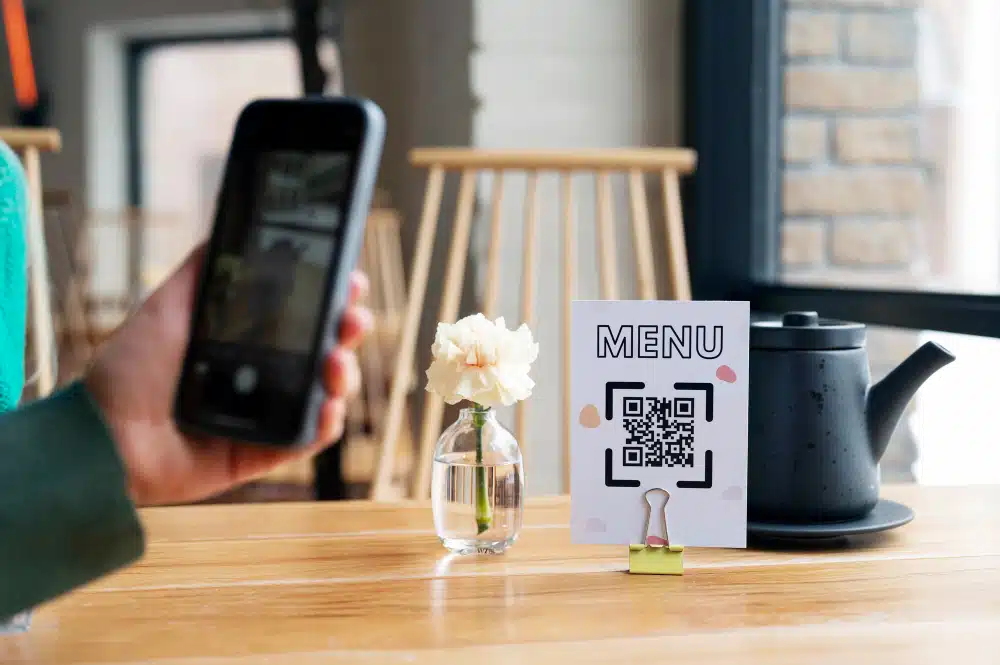
Miracards isn’t just presenting the menu as something a guest scans at the table. The article says each restaurant gets a dedicated web page for its menu, designed to be accessible from Google.
Unlike a PDF or a single image—formats that search engines can struggle to interpret—the digital menu includes structured text, categories, and content that can be indexed. That can help a restaurant strengthen its online presence, the article argues, by letting people see dishes, drinks, prices, and specialties before they visit.
The menu page can also include contact details such as address and phone number, plus social links, Google reviews, and calls to action. The article frames that as useful across the customer journey: searching for a place to eat, checking what’s on offer, then calling, getting directions, or making a reservation.
For restaurants whose main website doesn’t provide much menu detail, the article says a Google-referenced online menu can add depth without rebuilding the entire site.
Built-in upsell prompts aimed at raising the average check
The article also emphasizes revenue: Miracards can place add-on recommendations right next to specific dishes at the moment a customer is deciding. That could be a drink pairing, side dish, appetizer, dessert, or an upgrade—presented, the article says, in a way that’s coherent and not intrusive.
Those add-on sales work better when paired with visuals, short descriptions, and logical combinations, according to the article. A dish might include a suggested wine, a matching beer, a sauce, or a dessert, helping the customer see a complete pairing without scrolling through the entire menu.
Photos, videos, badges, and labels such as “chef’s specialty,” “new,” or “customer favorite” can also steer attention toward certain items, the article says—especially higher-margin dishes a restaurant wants to highlight.
Overall, the article presents Miracards as a bundle of tools—done-for-you setup, multilingual translation, stronger Google visibility, immersive visuals, and integrated sales recommendations—meant to modernize menus without forcing restaurants to abandon paper.
Related reading recommended by the original publication includes an article about whether it will still be possible to use “restaurant vouchers” (France’s meal-benefit coupons) in large retail stores after 2026.