
Restaurants are under pressure to stand out online while still delivering a strong in-person experience at the table. In that race, more operators are turning to interactive digital menus designed to be easy for guests to use—and easier for restaurants to keep current.
One service highlighted in the French article is Miracards, which positions its digital menu as a business tool rather than a simple QR-code replacement for a paper menu. The idea: keep the human touch in the dining room while giving customers a smartphone- and desktop-friendly way to browse dishes, see visuals, and find key information quickly.
Miracards offers what it calls a “carte digitale” for restaurants—essentially a digital menu accessible on phones and computers. The service is presented as a complement to paper menus, not a substitute that removes interaction with servers.
In a packaged “what to know” section, the article says Miracards includes creation, hosting, and updates with no technical management required from the restaurant. It also highlights a multilingual menu available in six languages (with two more being rolled out), Google-optimized structure intended to improve search visibility, and professional photos, videos, and sales recommendations meant to increase average check size.
“The digital menu translated into several languages that makes reservations easier,” the article states in a block quote.
The article directs readers to the service page for Menu digital Miracards, describing it as a way to showcase dishes and make the menu easier to consult.
A turnkey setup that, the article says, requires no technical work from the restaurant
A central selling point is that Miracards is described as fully turnkey. According to the article, restaurant owners don’t need to build the menu themselves, learn a technical tool, or spend time on layout—Miracards handles the process through final publication.
The Miracards team, the article says, creates the digital menu, organizes categories, and adds dishes, drinks, set menus, and desserts. The service also includes professional photos, adding videos, publishing, hosting, and future updates. Price changes, adding a dish, or editing information can be done without additional cost, according to the article.
Rather than a complex admin dashboard, the article says changes are requested simply and then applied directly.
The article lists these core features:
- Presentation of dishes, drinks, desserts, wines, and beers
- Integration of quality photos and videos
- Display of ingredients, allergens, and food labels
- Indicators such as vegetarian, gluten-free, spicy, or homemade
- Buttons to call, book, and get directions via Google Maps
- Links to social networks and Google reviews
- Add-on recommendations for drinks or sides
- Viewing optimized for all screen sizes
Six-language translation aimed at tourist areas and international diners
Translation is positioned as a key feature for restaurants in tourist zones or areas with international customers. Miracards currently supports six languages, the article says, with two additional languages in deployment.
With the multilingual menu, customers can view dishes, ingredients, drinks, and essential information in a language they understand. The article argues that this reduces misunderstandings, speeds decision-making, and improves comfort—while also reducing the burden on staff to explain every dish or maintain multiple paper translations that are hard to keep updated.
All language versions remain within the same digital menu, the article says. Guests select a language in the interface without leaving the restaurant’s page, and updates can be made without reprinting multiple paper menus.
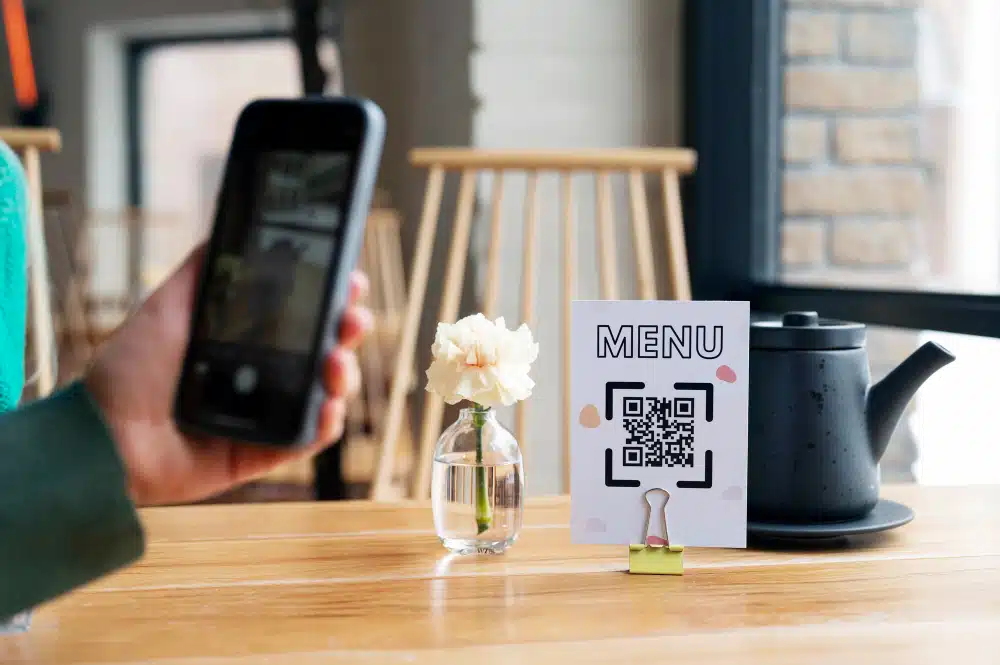
The article argues that a Miracards menu isn’t limited to in-restaurant browsing. Each restaurant gets a dedicated web page for its menu, built to be accessible from Google.
Unlike a PDF or an image that search engines can struggle to interpret, the article says the digital menu contains structured text, categories, and content that can be indexed. That, in turn, is presented as a way to strengthen a restaurant’s online presence—letting potential customers see dishes, drinks, prices, and specialties before they arrive.
The menu page can also include contact details, address, phone number, social links, Google reviews, and calls to action. The article frames it as a tool that supports multiple steps in the customer journey: searching, evaluating options, and booking.
For restaurants whose websites don’t include much menu detail, the article says a search-indexed online menu can enrich their digital footprint without rebuilding the entire site.
Built-in recommendations meant to drive add-on sales and higher checks
Miracards also promotes the menu as a way to increase the average amount spent per table. The article says the platform can place complementary recommendations right next to dishes at the moment a customer is choosing—suggesting a drink, side, appetizer, dessert, or add-on in a way described as coherent and non-intrusive.
Those add-on sales work better, the article says, when paired with a visual, a short description, and a logical match—such as a wine or beer suggestion, a sauce pairing, or a dessert recommendation—so customers see a relevant combination without scanning the entire menu.
Photos, videos, badges, and labels like “chef’s specialty,” “new,” or “customer favorite” can also increase the appeal of certain items, the article says, steering attention toward higher-margin dishes and making decisions easier.
Overall, the article presents Miracards as combining done-for-you creation, multilingual translations, stronger Google visibility, immersive visuals, and integrated sales prompts—modernizing menus without eliminating paper, while aiming to inform customers better and improve restaurant performance.