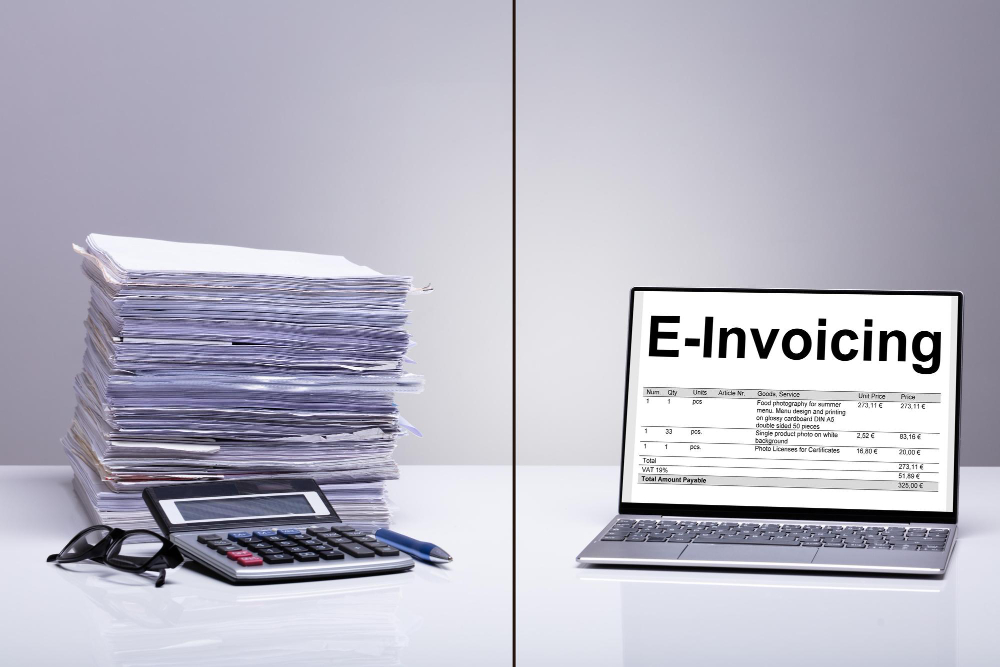
France is about to force a sweeping change on how businesses bill customers, and a lot of companies are still treating it like a problem for “later.” That’s a mistake that can get expensive fast.
Starting Sept. 1, 2026, large companies and mid-sized firms in France must be able to send and receive electronic invoices under a new government framework. Smaller businesses, including many mom-and-pop operations and solo entrepreneurs, follow on Sept. 1, 2027. The shift isn’t just “email a PDF.” It’s a new compliance system with new technical rules, new reporting requirements, and new failure points.
The biggest mistake: waiting until the last minute
The most common, and most costly, error is procrastination. Business owners assume they have time, then scramble when deadlines loom and discover their invoicing setup can’t meet the new rules.
Switching invoicing systems takes real work: figuring out what you need, comparing vendors, testing, migrating old data, training staff, and rebuilding day-to-day workflows. Do it under pressure and you’re more likely to overpay, miss key requirements, or roll out something that breaks at the worst possible moment, when you’re trying to get paid.
There’s also the “software ecosystem” problem. Invoicing doesn’t live on an island; it touches accounting, customer management, project tracking, inventory, and payments. If those tools don’t talk to each other, you end up with duplicate data entry, mismatched numbers, and a mess your finance team has to untangle.
Buying software without a clear picture of your business
Another classic misstep: choosing an invoicing tool based on price or popularity instead of how your business actually operates. A solo freelancer sending a handful of invoices a month has very different needs than a 50-person company billing in phases across multiple projects.
Before shopping, map your current invoicing flow. How many invoices do you send each month? Do you issue quotes, deposits, credit notes, or progress invoices? Are your customers consumers or businesses, domestic or international? How do you chase late payments? What reports do you rely on to run the business?
Without that checklist, you risk buying something bloated and overpriced, or something too limited that you’ll outgrow quickly, forcing another painful migration.
Ignoring scale: what works now may fail next year
Even if your current setup feels “fine,” it may not survive growth. The right platform should handle more users, higher invoice volume, and new features without turning into a bottleneck.
Companies should pressure-test basics: Can you add user accounts as you hire? Will performance hold up when you’re generating thousands of invoices? Can you bolt on inventory, e-commerce, or project modules later? If you plan to sell outside France, can it handle multiple currencies, languages, and tax rules?
Compliance isn’t optional, especially under the new e-invoicing rules
In the U.S., e-invoicing rules vary by industry and government contracts. France is taking a more centralized approach: the government is setting a national framework that businesses must follow. That makes compliance a core feature, not a nice-to-have.
At the basic level, invoices must include required legal fields (think: invoice number, issue date, seller/buyer identity, tax IDs, line-item descriptions, VAT rates, and more). Errors or missing information can trigger penalties.
But the 2026–2027 reform goes further. France’s system requires structured e-invoice formats (such as Factur‑X, UBL, or CII) and routing through approved digital platforms, either certified private providers (called PDPs, for “partner dematerialization platforms”) or a public portal. It also adds transaction/status reporting requirements tied to tax oversight.
If your software can’t generate the right formats or connect to the right platforms, you may not be able to send valid invoices at all once the mandate kicks in.
Forgetting integrations: accounting, CRM, and banking
Companies often pick invoicing software and only later realize it doesn’t connect cleanly to the tools they already use. That’s when the manual work piles up.
Accounting integration is the big one. Your invoicing system should export clean data your accountant can use, via CSV/Excel or, better, a direct API connection that syncs entries automatically and reduces human error.
CRM integration matters too. If your customer data lives in a CRM, pulling it automatically into quotes and invoices saves time and prevents mistakes in addresses, payment terms, and contact details.
And then there’s payments. Some platforms can sync with bank feeds, match incoming payments to invoices, and flag overdue accounts. Others integrate with online payment tools or support automated debits, features that can speed up cash flow.
User experience and support can make, or break, the rollout
A powerful tool that nobody can figure out is worse than useless. If the interface is clunky, teams avoid it, work around it, and introduce errors.
Companies should insist on demos and real trials. Look for clean workflows and simple navigation, especially if non-finance staff will generate quotes or invoices.
Support is just as critical. When invoicing breaks, revenue gets delayed. Evaluate support channels (phone, email, chat), response times, documentation, and whether there’s a strong knowledge base or user community. Cheap software with weak support can become very expensive when something goes wrong.
The pricing trap: “cheap” can cost more than you think
Sticker price is only part of the bill. The smarter way to compare platforms is total cost of ownership: subscription fees, setup and migration costs, training time, integrations, add-on modules, extra user seats, and paid support.
It’s also easy to overbuy. Some platforms pack in features you’ll never use, making the product harder to learn and more expensive to maintain. The best choice is often the one that nails your core needs, and lets you add capabilities as you grow.
What companies should do now
France’s e-invoicing mandate is a deadline-driven operational overhaul. Companies that start early can test vendors, clean up data, train staff, and build integrations without panic.
Those that wait risk a rushed implementation, higher costs, and compliance problems that can disrupt billing, right when they need invoices moving smoothly to protect cash flow.
| Type d’intégration | Bénéfices principaux | Risques sans intégration |
|---|---|---|
| Comptabilité | Automatisation des écritures, réduction des erreurs, gain de temps expert-comptable. | Double saisie, incohérences comptables, retard dans les bilans. |
| CRM / Gestion client | Données client à jour, devis et factures rapides, suivi commercial complet. | Ressaisie des informations, erreurs dans les coordonnées, suivi client fragmenté. |
| Banque / Paiements | Rapprochement bancaire automatisé, suivi précis des règlements, gestion simplifiée des impayés. | Difficulté à identifier les paiements, retards dans les relances, erreurs de trésorerie. |
| Gestion de projet | Facturation basée sur le temps passé ou l’avancement des tâches, visibilité sur la rentabilité. | Difficulté à facturer les projets avec précision, oublis de prestations, perte de revenus. |