A club’s colors aren’t just decoration, they’re a flag you wear. From youth soccer teams to volunteer groups to workplace crews, custom patches are becoming a go-to way to build identity, boost visibility, and make members feel like they’re part of something real.
The pitch is simple: a well-designed embroidered patch can turn a plain jersey, jacket, or bag into a recognizable uniform. And with today’s customization options, different stitch densities, sizes, and attachment methods, clubs can create a look that’s both durable and unmistakably theirs.
Why a patch still matters in 2026
A patch is an insignia, embroidered, woven, or even printed, that helps people instantly identify who you’re with. Think of it like a team logo, a union badge, or a scout emblem: small object, big meaning.
For clubs, patches do double duty. They strengthen internal pride and cohesion, and they also work like rolling marketing, your name and logo traveling through tournaments, community events, and crowded gyms without anyone saying a word.
Picking the right patch: embroidered, woven, iron-on, or sew-on
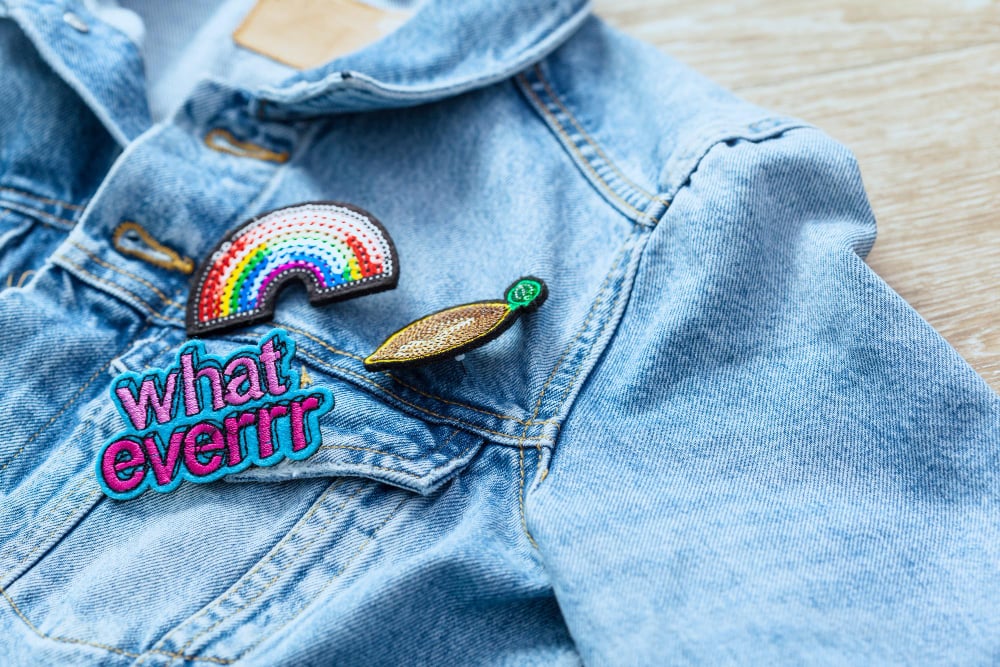
Embroidered patches remain the crowd favorite because they look professional and hold up over time. Many vendors offer different stitch coverage levels, roughly 50%, 75%, or 100% embroidery, which changes both the texture and how “filled-in” the design looks.
Need crisp detail for small text or fine lines? Woven patches can deliver sharper edges than thick embroidery. For fast application, iron-on (heat-seal) backing is popular. For maximum durability, especially on uniforms or workwear, sew-on patches are still the gold standard.
How to choose size, materials, and readability
Start with where the patch will live: chest, sleeve, hat, backpack, or the back of a jersey. Outdoor use calls for materials that can handle sun exposure and frequent washing without fading or peeling.
Readability is where many designs fail. If your patch includes text, keep it big enough to read at a glance. A common baseline is lettering at least 4 millimeters tall, about 0.16 inches, so names and slogans don’t turn into a blur from a few feet away.
Customization is the payoff: multiple colors, symbols, and clean typography can make a patch feel like a true badge, not a generic sticker. Larger-format patches are also trending for clubs that want key information visible from across a field or gym.
From idea to finished patch: the design and production process
Most custom patches start with a clear definition of what the club wants to project, history, values, mascot, city, or a signature color scheme. A designer then digitizes the artwork into a file that embroidery or weaving machines can read.
Before full production, clubs typically approve a prototype or proof so details like size, border shape, and thread colors can be corrected. After final sign-off, production is often turned around in about 15 days, roughly two weeks, making it realistic to outfit a team ahead of a tournament or seasonal kickoff.
Color and logo choices that actually work on fabric
Good patch design favors bold, clean shapes. Complex artwork can lose definition once it’s stitched, especially at smaller sizes. Designers often steer clubs toward simpler marks that still feel distinctive.
Color also has to survive real life: sweat, sun, rain, and repeated washing. Sticking close to your club’s established colors helps recognition, but choosing thread shades that stay vibrant over time can be the difference between “sharp” and “washed out” by midseason.
How to attach patches without ruining the gear
Iron-on patches are popular because they’re quick: apply heat with a household iron and the adhesive backing bonds to the fabric. For best results, the fabric should be clean and dry, and you’ll want a protective cloth between the iron and the patch to avoid scorching.
Sew-on patches take longer, but they’re tougher, especially for uniforms, jackets, and workwear that get heavy use. If you want a cleaner look, match the thread color to the garment so the stitching disappears and the patch stands out.
Creative ways clubs use patches beyond jerseys
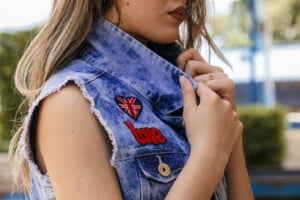
Patches aren’t limited to uniforms. Clubs put them on hats, scarves, duffel bags, and fan gear to spread the brand and give supporters something they’ll actually wear. A sharp patch on a cap can do more for visibility than a flyer that ends up in the trash.
At competitions and events, patches also work as keepsakes, handed out to participants, volunteers, or organizers as a simple, tangible badge of involvement. Done right, they become a symbol people keep, not a giveaway people forget.
| 🔹 Élément | 🔸 Information |
|---|---|
| 🛡️ Rôle de l’écusson | L’écusson permet d’identifier un club, une équipe ou une organisation tout en renforçant le sentiment d’appartenance des membres. |
| 🎨 Personnalisation | Les écussons peuvent intégrer logos, textes, couleurs et motifs spécifiques afin de refléter l’identité visuelle du club. |
| 📌 Types disponibles | Les principales options incluent les écussons brodés, tissés, thermocollants et à coudre, chacun répondant à des besoins différents. |
| ⚙️ Création sur mesure | La conception passe par la définition du design, la numérisation du visuel, la validation d’un prototype puis la fabrication. |
| 🧵 Fixation | Les méthodes les plus courantes sont le thermocollage pour sa simplicité et la couture pour sa résistance dans le temps. |
| 🏆 Utilisation en club | Les écussons habillent vêtements, sacs et accessoires afin de valoriser l’image du club et de renforcer la cohésion des membres. |
| 📣 Communication & visibilité | Ils servent également de support promotionnel lors d’événements, compétitions et rassemblements en mettant en avant les couleurs du club. |
| ✅ Critères de choix | La durabilité, la lisibilité, la qualité des matériaux, la taille et l’adaptation à l’usage prévu sont des éléments essentiels à considérer. |