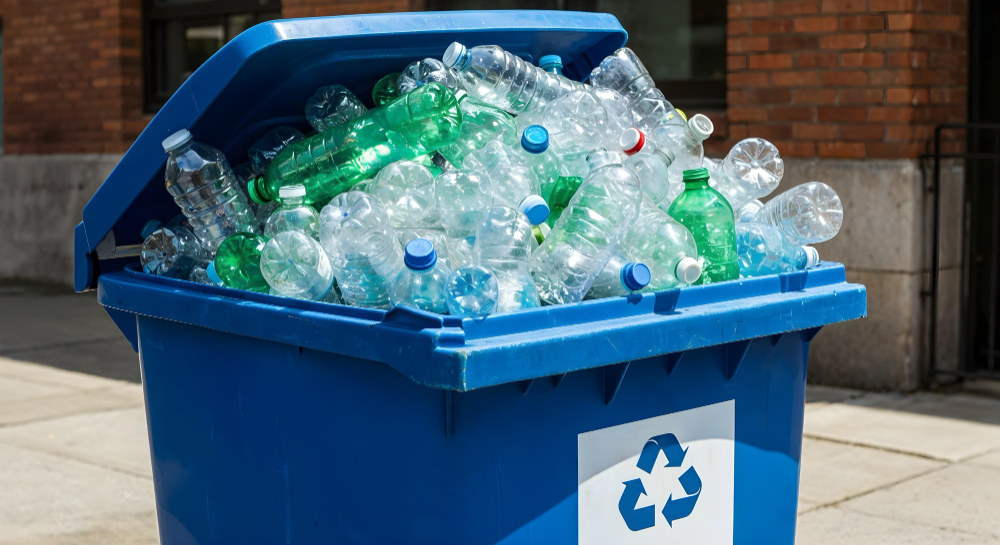
The smell hits first. Then the complaints start rolling in, torn bags, overflowing containers outside the IT wing, staff scrambling to “fix it” before it becomes a bigger problem.
In 2026, that kind of mess isn’t just gross, it can be a safety issue, an operational drag, and, depending on where you operate, a compliance headache. The fix often isn’t a new policy memo. It’s choosing the right commercial waste containers for what your site actually produces, how your team moves, and what regulators expect.
European rules are tightening around sorting, labeling, and traceability, and U.S. companies with European facilities, or U.S. operators trying to match global ESG standards, are feeling the squeeze. The takeaway is simple: the right bin system keeps waste moving, reduces odors and incidents, and makes it easier to prove you’re doing things by the book.
The humble dumpster is running your operation more than you think
A commercial trash container looks like basic equipment, until it isn’t. In offices, schools, hospitals, warehouses, and public facilities, the right setup stabilizes sorting, speeds up collection, traps odors, and reduces the kind of internal mishaps that trigger security calls and workplace friction.
Across Europe, regulators are pushing stricter separation of waste streams and clearer on-site signage. France’s anti-waste framework (often referred to as AGEC) is part of that broader shift, emphasizing traceability and standardized labeling. For American readers: think of it as a tougher, more prescriptive cousin of local recycling ordinances, less “please recycle,” more “prove it, and label it correctly.”
Many organizations have already revamped their sorting systems, not because it’s trendy, but because the cost of getting it wrong shows up fast: complaints, pests, blocked walkways, and missed pickups that snowball into bigger disruptions.
When the bin is the wrong size, everything breaks
Too small, and you get overflow, bags piled beside the container, odors drifting, staff irritated, and a steady drip of “someone needs to deal with this” messages. Too large, and you waste space, encourage stagnation (especially with food waste), and create inefficiencies that quietly eat time and money.
Right-sizing isn’t glamorous, but it’s one of the fastest ways to reduce stress on the people who handle waste every day. Fewer emergency bag swaps. Fewer last-minute workarounds. Fewer safety concerns in hallways, loading areas, and break rooms.
How to choose the right container: start with what you throw away
The first question isn’t “Which model looks best in the catalog?” It’s “What are we generating, and how much?” In French office settings, the article cites roughlyabout 22 pounds of waste per employee per week(10 kg). That number can swing wildly in manufacturing, food service, labs, or healthcare, anywhere the waste stream is heavier, wetter, or regulated.
Different waste types demand different hardware. Paper and cardboard stack and crush. Food waste needs tight seals and easy-to-clean surfaces to control leaks and odors. Glass calls for tougher construction. Batteries and hazardous materials require dedicated containers and handling protocols, often with specialized certifications depending on the jurisdiction.
As sorting rules expand, containers also need to communicate clearly: consistent colors, standardized pictograms, and labels that make it hard to “accidentally” toss the wrong thing in the wrong place.
Placement and mobility matter more than most managers expect
Real life beats theory. A container that’s perfect on paper can become a daily obstacle if it blocks a doorway, sits beyond a narrow corridor, or forces staff to wrestle it over a curb.
That’s why features like wheel size, handle design, and durability aren’t minor details. Two-wheel containers can be quicker to maneuver on tight service paths. Four-wheel models tend to shine on large campuses, industrial parking lots, and high-volume sites where stability and capacity matter more than agility.
Weather protection matters, too. Without proper shelter, rain can turn waste areas into a mess that spreads beyond the container, especially with cardboard and organics.
2026 compliance: sorting, signage, and traceability are getting stricter
The article’s core warning is blunt: compliance is no longer something you “handle in a binder.” Inspectors don’t grade intentions, they look at what’s happening at the bin.
In the European context, 2026 rules emphasize tighter sorting requirements, clearer identification, and traceability, meaning organizations may need to show where certain waste streams go and how they’re separated on-site. For U.S. operators, the closest parallel is the growing patchwork of state and city rules on organics, recycling contamination, and reporting, except Europe is moving faster and more uniformly.
Miss the markings, mix the streams, or skip the standardized signage, and you risk penalties, plus the operational chaos that comes with failed pickups or rejected loads.
Not all commercial bins are built for the same job
The market has splintered into specialized options because waste streams have, too. You’ll see sealed or ventilated containers designed for organics, reinforced bins for glass, and dedicated collection boxes for batteries and other high-risk materials.
Schools and public facilities often mix mid-size containers with smaller, clearly labeled units to match foot traffic and reduce contamination. Industrial sites may need heavy-duty containers designed for rough handling and specific regulated waste categories. Hospitals face a completely different reality, where segregation and safety protocols can be as critical as capacity.
One facilities manager at a school near Paris described the before-and-after in human terms: once the container system was redesigned, the morning scramble stopped, odors stayed contained, and staff could do their jobs without constant improvisation.
Why an expert supplier can save you money, and headaches
The article highlights a French supplier, Normequip, as an example of a vendor that does more than ship containers. The larger point translates cleanly to any market: buying the right equipment often requires someone who understands your site, your waste streams, your pickup constraints, and your compliance exposure.
A good supplier helps you map volumes, plan placement, anticipate peak periods, and choose containers that match how people actually work, not how a procurement spreadsheet imagines they work. That kind of on-the-ground planning can prevent the most expensive outcome of all: buying the wrong system, then paying to replace it after the first month of overflow and frustration.
Waste rules are tightening, expectations are rising, and the margin for error is shrinking. For many organizations, the smartest 2026 move is also the simplest: audit your current setup, talk to the people who handle the bins, and redesign the system before the next overflow forces your hand.
| Situation | Conséquences principales | Bénéfices d’un bon dimensionnement |
|---|---|---|
| Sous-dimensionnement | Saturation rapide, insalubrité, interventions fréquentes, plaintes récurrentes | Volume maîtrisé, propreté conservée, budget sous contrôle, sécurité accrue |
| Dimensionnement adapté | Collecte optimisée, manipulation simple, espace dégagé | Moins d’opérations d’urgence, confort d’usage, satisfaction usagers, respect des certifications |