
The trade show floor is changing fast. With competition intensifying, exhibitors can’t rely solely on the quality of the product or service on display to stand out.
Instead, experiential marketing—designed to deliver a true immersive experience—is becoming a central strategy for attracting and holding visitors’ attention. Brands are investing in custom-built sets that turn each booth into a living, memorable space, where décor is tied directly to audience engagement and brand differentiation.
Why experiential marketing is reshaping professional events
Experiential marketing aims to give visitors a unique moment—both sensory and emotional. At a trade fair or industry expo, the goal is less about presenting a product than creating a feeling that sticks. Done well, that approach builds a much stronger brand-audience connection than traditional promotional tactics.
🎪 What to take away from this trend:
boost visitor engagement and strengthen brand image
Read also this article about launching an operational online store for less than a phone plan.
Trade fairs and industry expos: here’s why personalized sets and large-format 3D printing make all the difference
Professional events are increasingly more than rows of aisles and booths; they’re becoming real laboratories for marketing innovation. Visitors are looking for authenticity, interaction, and personalization. When those elements come together, customer loyalty follows more naturally—because a positive memory carries more weight than a standard sales pitch.
Brands are leaning into immersive experiences to meet a growing expectation: people want to live the product, not just consume it. With staging designed specifically for each booth, visitors can step into a brand’s world and discover its story, values, and innovations. Technology plays a growing role—from augmented reality to interactive installations—but creativity remains the driving force behind the environment.
That shift is also changing the exhibitor-attendee relationship. By offering more than a static display, companies can create authentic, lasting interaction. The custom booth reflects a desire to move beyond standardized setups, adding surprise while staying aligned with brand image.
How to build a custom booth that actually drives engagement
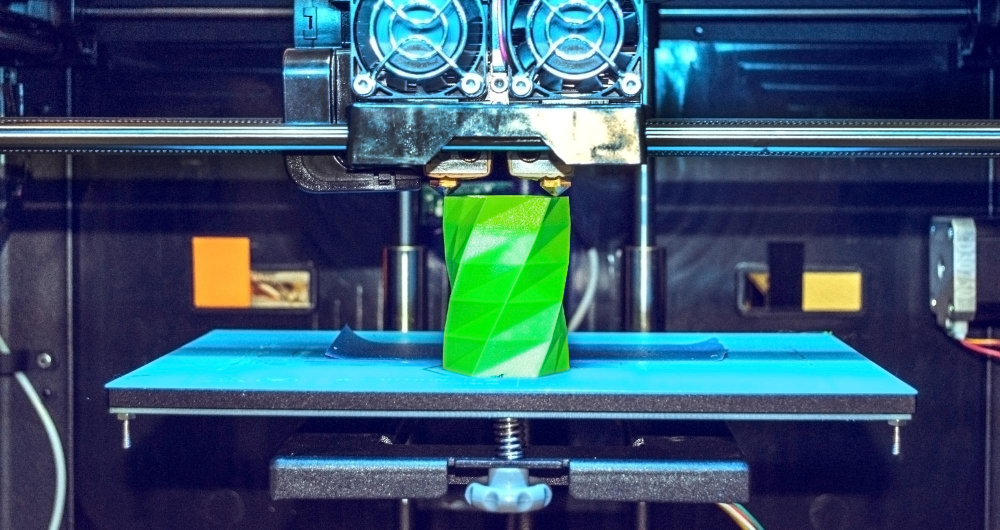
Designing a custom booth isn’t just about unusual materials or piling on tech gadgets. For more ambitious builds, exhibitors can rely on solutions such as https://www.3dkfactory.com/impression-3d-grand-format/. The goal is a real strategy: optimize every square meter to create memorable touchpoints with visitors at a professional event.
One crucial factor is alignment—message, décor, and activations need to work together. The set design should extend the brand’s visual identity while echoing its signature. A coherent atmosphere reassures visitors, sparks curiosity, and invites them to explore different parts of the brand’s universe.
Key ingredients of a successful custom booth include immersive staging—lighting, textures, sound, and even scents that place visitors in a brand-specific bubble. Interactive areas such as touchscreens, connected devices, or hands-on workshops encourage participation. Personalized details matter too, from furniture to staff uniforms, reinforcing overall coherence. Regular activations—mini talks, demonstrations, or sensory experiences—keep the space moving and the visit dynamic.
Together, these elements help create a deep, spontaneous brand-audience connection that goes well beyond a simple commercial interaction. Many experience reports show that visitors who try an activation or join a workshop often come back to check in on the brand.
Once the event is over, analyzing results in detail helps sharpen future event strategies. The number of leads collected, interaction rates, and social media mentions can all guide adjustments for the next presentation. Many brands now use digital tools to capture immediate feedback through quick questionnaires or spontaneous sharing on social platforms.
Those concrete data points illustrate the value of experiential marketing paired with carefully designed staging. They also highlight what truly works to create an atmosphere that supports customer loyalty and brand differentiation.
Custom-built sets are becoming the new standard on the expo floor
The move toward custom-built sets is more than a passing trend. At each professional event, it’s increasingly a signal that a brand is paying attention to changing visitor behavior and expectations. Investing in an original universe designed specifically for a booth can deliver greater visibility and instant recognition among industry peers.
The coming years are expected to bring even more innovative concepts that blend art, technology, and storytelling. That momentum points to a new era in exhibitor-visitor relationships—centered on emotion, lived experience, and attachment that can begin with a first encounter. Choosing this route elevates not only products, but also brand image over the long term.
Continue reading with this article about combining brand visibility with environmental commitment.