
France’s bargain electric-car fight is tightening in 2026, and the Dacia Spring—long the go-to “cheapest EV” option—is no longer winning on sticker price alone. Citroën is now pushing a version of its ë-C3, the ë-C3 Tonic, to under €21,000 (about $22,700) by stacking in a CEE incentive whose value depends on household income.
On paper, Dacia still posts the lower entry price: the Spring starts at €18,900 (about $20,400) depending on trim. But French auto outlets say the real-world comparison has shifted to what buyers actually pay after incentives, how quickly cars can be delivered, and what compromises shoppers accept on equipment, comfort and day-to-day usability.
The audience is specific: households looking for a mostly city-focused EV, a manageable monthly payment, and enough features for daily life. With some government bonuses reduced on certain models and complementary programs like CEE certificates gaining importance, “cheapest” increasingly depends on eligibility and paperwork—not just the number on the window.
Citroën targets a sub-€21,000 price point with the income-based CEE bonus
Citroën’s pitch for the ë-C3 Tonic is built around France’s “certificats d’économies d’énergie,” or CEE—an energy-savings certificate program that can translate into a purchase incentive. According to information relayed by the automotive press, the CEE bonus tied to the ë-C3 can range from about €3,600 to €6,100 (roughly $3,900 to $6,600), depending on income.
That spread matters in a segment where a few thousand euros can decide whether a buyer signs a contract. Citroën’s goal is straightforward: pull the ë-C3 into the psychological price territory the Spring has largely owned, using the €21,000 (about $22,700) threshold as a signal that an “accessible” EV doesn’t have to be a microcar.
The move also reflects a changing incentive landscape. L’Argus reports that, in most cases, the ë-C3 would now receive only €2,000 or €3,000 (about $2,200 to $3,200) in government aid—making the CEE component a key part of the final math.
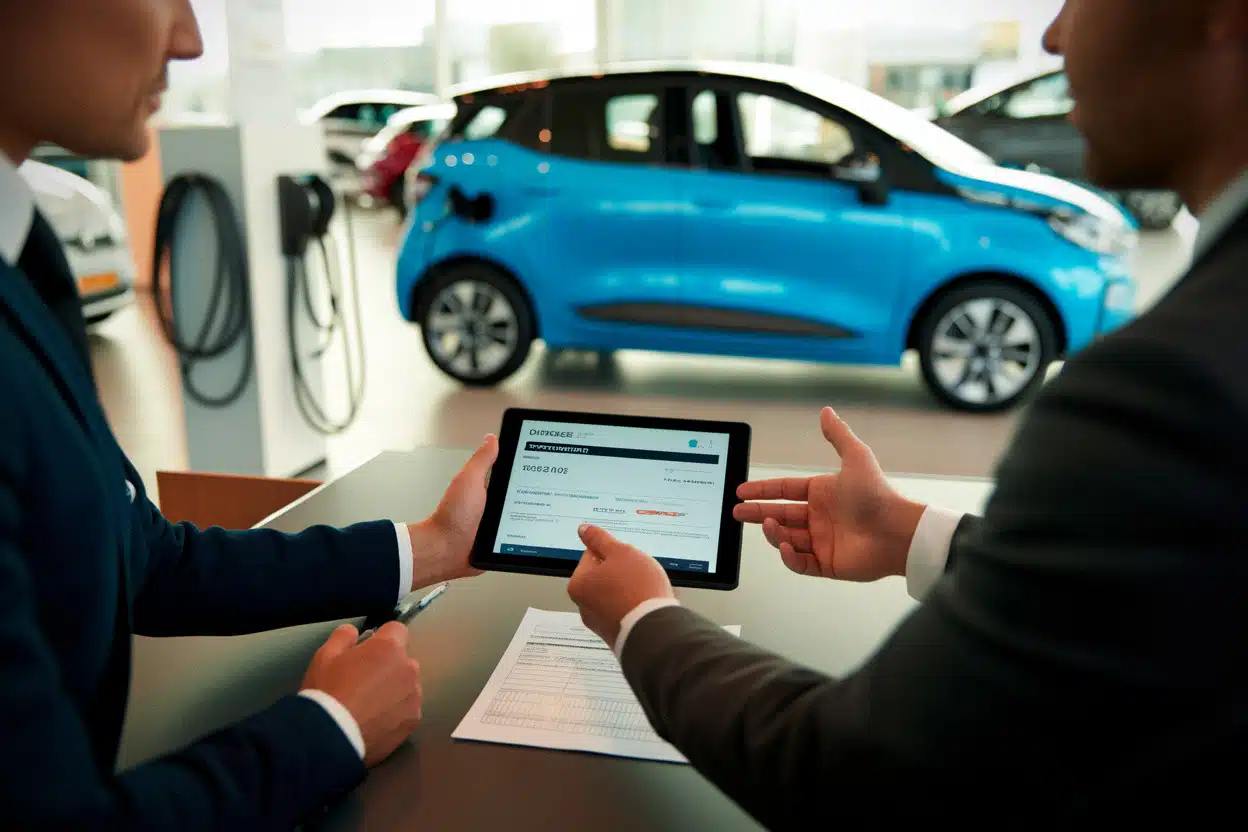
For shoppers, the catch is practical: the CEE bonus isn’t described as a single, universal check. It depends on criteria, sales structures and sometimes intermediaries, meaning two customers walking into the same dealership can end up with very different out-of-pocket prices. Dealers may advertise a “from” price after the maximum deduction, but the decision ultimately comes down to a named quote backed by income documentation and eligibility rules.
Citroën is also using the Tonic trim as a more appealing entry point—positioned as more desirable than a bare-bones configuration, with styling cues and equipment meant to avoid the feeling of buying a cut-rate EV. The company is betting that if the price gap narrows enough, the conversation shifts to range, comfort and versatility.
That strategy doesn’t erase the catalog-price difference, but it can reshuffle priorities in some households—especially when the purchase is financed through a lease with an option to buy, where small changes in the purchase price can directly affect monthly payments.
Dacia Spring still starts lower—but the “from” price matters less than it used to
The Dacia Spring’s strongest weapon remains its low advertised entry point: €18,900 (about $20,400) for the Expression version, and €19,900 (about $21,500) for the Extreme 65 hp version cited by L’Argus in its comparison. In a market where many drivers still see EVs as inherently more expensive, that number remains an immediate hook—and a way to get shoppers into showrooms before steering them toward better-equipped trims, financing, or options.
But L’Argus says the Spring’s pricing advantage has “melted away” since the removal of a bonus and the arrival of the ë-C3. The shift is twofold: buyers increasingly compare net prices after incentives, and they expect more for their money—especially on perceived performance, equipment and safety.
The Spring still makes sense for primarily urban use, with a compact footprint and low running costs. Its simple positioning can also limit certain costs, and its pragmatic image continues to appeal to buyers who prioritize mobility over status. But as the segment gets more crowded—sometimes with more “mainstream” European-branded competitors—expectations rise. Drivers who once accepted a very basic cabin now want more modern infotainment, better sound insulation, and more complete driver-assistance features.
That puts pressure on Dacia to stay attractive without the same incentive leverage that once narrowed the perceived gap with more fully developed car designs. The response often comes through special editions, option packs, or a push on total cost of ownership—maintenance, tires, insurance, and energy use in kWh. Those arguments can be rational, but they’re harder to sell than a single big number on a showroom poster.
The risk for the Spring isn’t a collapse in sales, but normalization: becoming one option among several rather than the obvious default for the lowest-priced EV. Buyers are now more likely to weigh resale value, the ability to handle suburban trips without anxiety, or occasional highway use—areas where differences in overall capability can matter more than a €1,000 to €2,000 (about $1,100 to $2,200) upfront gap.
Range, features and real-life city driving are now the battleground
Specialty outlets frame the ë-C3 vs. Spring matchup as more than an entry ticket. They point to a comparison that includes specs, driving feel and range—factors that shape everyday comfort. Even in a city car, real-world range remains central because it determines charging frequency, household logistics and the ability to handle unexpected detours. Automakers can cite standardized figures, but daily results depend heavily on driving style, temperature and trip type.
Equipment has also become a dividing line. In 2026, buyers treat features that were optional a few years ago as baseline—backup cameras, smartphone compatibility, cruise control, and parking aids. A higher trim like Tonic is meant to reduce the frustration of “first price,” which helps explain why Citroën is emphasizing affordability paired with a more complete-feeling package. Dacia, meanwhile, leans on richer versions like the Extreme—listed at €19,900 (about $21,500)—to deliver a more attractive presentation while keeping the Spring cheaper than an equivalently positioned ë-C3 before incentives.
Urban use remains the core mission for both models, built around commuting and errands with charging mostly at home or on slower public chargers. But many customers also want a margin of versatility—ring roads, intercity trips, or family visits. In those situations, perceived stability, comfort and performance matter, not just a spec sheet. That’s where comparative road tests in the French press become a reference point, translating driving impressions that brochures don’t capture.
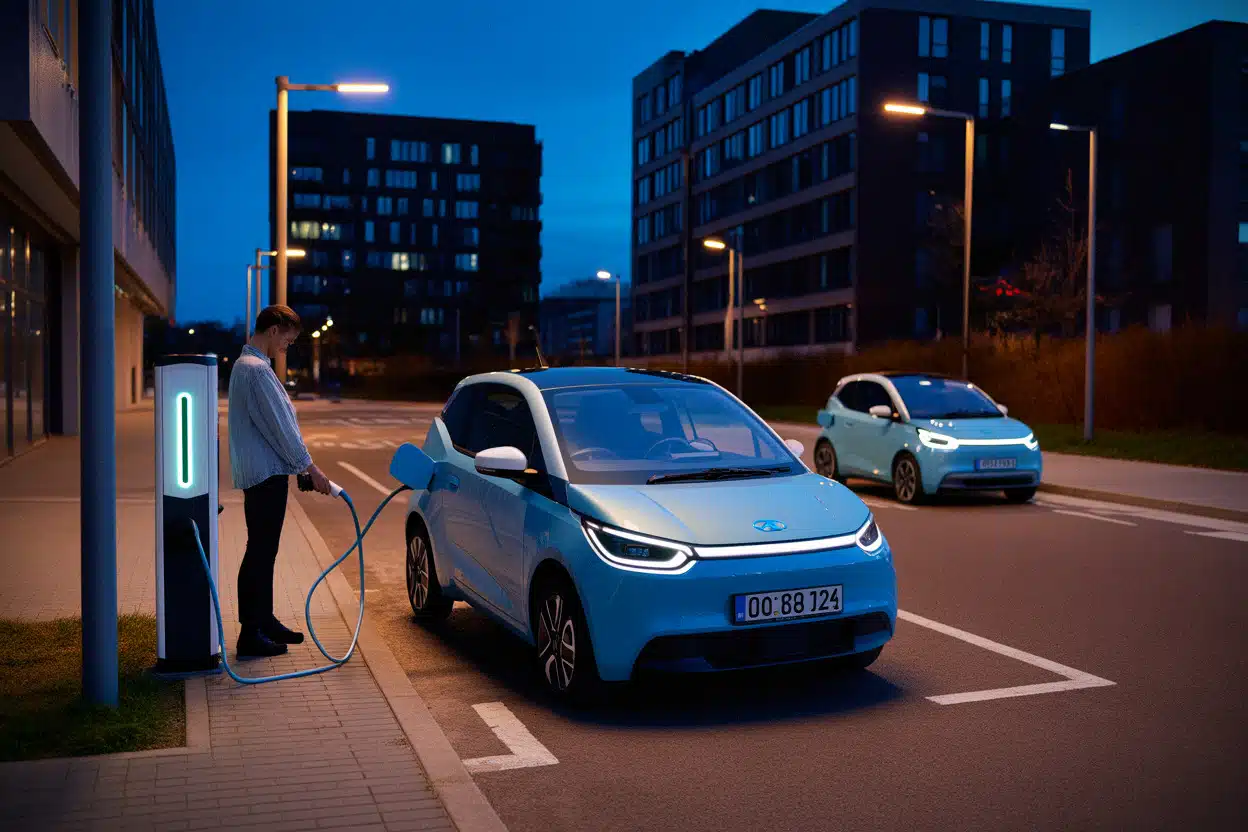
Charging cost and charger access are increasingly decisive, too. A driver living in an apartment building without an equipped parking space doesn’t evaluate an EV the same way a homeowner does. Public-charger availability, roaming kWh pricing, and time spent charging can turn a cheaper car into a daily constraint. The article notes automakers still communicate relatively little about this at signing, even though it can shape satisfaction—or disappointment.
Finally, product-cycle effects matter. A newer concept can bring better software integration, updates, or more current ergonomics. That doesn’t always show up in headline numbers, but it can influence resale value and whether everyone in a household is comfortable using the car. This is where the ë-C3 is trying to shift the debate: a more “car-like” small EV approach, while using CEE aid to land closer to the price zone Dacia has dominated.
What French households actually pay in 2026 depends on stacked incentives and eligibility
The CEE bonus is taking a larger role in the sales pitch for small EVs in France. Its structure differs from a single automatic payment, and its amount can change with schedules and household circumstances. The automotive press cites a €3,600 to €6,100 range (about $3,900 to $6,600) depending on income—potentially equal to the full gap between trims, or the difference between buying now and postponing.
Other levers can stack on top: government aid, local programs depending on the area, and sometimes trade-in bonuses. L’Argus says the ë-C3’s government aid would be only €2,000 or €3,000 (about $2,200 to $3,200) in most cases, which mechanically increases the importance of CEE support if Citroën wants to stay competitive against the Spring.
The result is a variable geometry market. Dealers highlight entry prices achieved in the most favorable scenarios, while online comparison tools may aggregate information inconsistently. To make sense of it, buyers have to think in total cost terms—net purchase price, insurance, maintenance and energy. A cheaper model can cost more to live with if insurance is higher or charging happens mostly on expensive fast chargers. Conversely, a more expensive car can become competitive if it’s easier to charge at home and holds value better.
Budget-constrained households are the most sensitive to these details, because a €30 to €40 (about $30 to $45) monthly difference can change the decision. That’s why financing structures—long-term leases or leases with an option to buy—are increasingly central, turning a price into a payment. The article notes that when the CEE bonus is integrated into financing, it can reduce the advertised monthly figure, but only if fees, the first payment and return conditions are fully transparent.
All of that is why talk of the Spring’s “reign” ending needs nuance. The Spring remains a powerful draw at the low end, but the ë-C3—especially in Tonic trim with meaningful CEE support—has become a credible alternative for some buyers. The pecking order is likely to be decided less by a single winner than by buyer profiles: city drivers without home charging, families shopping for a second car, suburban commuters who want more range buffer, and shoppers who care most about equipment.
Questions fréquentes
What’s the main benefit of the CEE bonus for a Citroën ë-C3? The CEE bonus can sharply reduce what buyers pay, with a cited range of €3,600 to €6,100 (about $3,900 to $6,600) depending on income. It can push versions like the ë-C3 Tonic below a price threshold closer to entry-level offers.
Is the Dacia Spring still the cheapest electric car? The Spring keeps a very low advertised starting price—cited at €18,900 (about $20,400) for the Expression and €19,900 (about $21,500) for the Extreme 65 hp. But the real gap depends on incentives and the equipment level a buyer wants, making the comparison less automatic than before.
Why isn’t the sticker price enough to compare these models? Incentives vary by buyer profile and program, and total cost also includes energy, insurance, maintenance and charging conditions. Two buyers can end up with very different out-of-pocket costs for the same model.
What most often separates the ë-C3 and Spring in daily use? Beyond price, buyers focus on real-world range, equipment level, comfort in the city and on faster roads, and charging ease—especially for households without home charging.
À retenir
• The Citroën ë-C3 Tonic can drop below €21,000 (about $22,700) with the CEE bonus.
• The Dacia Spring is still advertised from €18,900 (about $20,400), but its advantage has narrowed.
• 2026 incentives make net cost highly dependent on income and eligibility.
• The comparison increasingly turns on range, equipment and charging practicality.
• The under-€20,000 EV space is becoming a competition of buyer profiles, not a simple two-car duel.
Sources
L’Auto… (X post); L’Argus comparison test; Automobile Propre; Autojournal; Caroom.
Key Takeaways
- The Citroën ë-C3 Tonic can drop below €21,000 thanks to the CEE bonus.
- The Dacia Spring is still listed from €18,900, but its advantage has narrowed.
- The 2026 incentives make out-of-pocket costs highly variable depending on income.
- The comparison also comes down to range, equipment, and ease of charging.
- The under-€20,000 EV segment is becoming a competition of profiles, not a simple head-to-head duel.
Frequently Asked Questions
What’s the main benefit of the CEE incentive for a Citroën ë-C3?
The CEE incentive can significantly reduce the amount you pay, with a cited range of €3,600 to €6,100 depending on income. It can bring certain trims, like the ë-C3 Tonic, below a price threshold closer to entry-level offers.
Is the Dacia Spring still the cheapest electric car?
The Spring still has a very low entry price, cited at €18,900 for the Expression and €19,900 for the Extreme (65 hp). But the real gap depends on which incentives you can use and the equipment level you want, making the comparison less automatic than before.
Why isn’t the list price enough anymore to compare these models?
Incentives vary by buyer profile and program, and total cost also includes energy, insurance, maintenance, and charging conditions. Two buyers can end up with very different out-of-pocket costs for the same model.
What criteria most often separate the ë-C3 and the Spring in everyday use?
Beyond price, buyers look at real-world range, equipment level, comfort in the city and on the highway, and how easy charging is—especially for households without at-home charging.