

French energy giant Engie is pitching a simple deal to electric-vehicle drivers: pay €9.99 a month (about $10.80) and get a fixed public-charging price of €0.33 per kWh (about $0.36) with no long-term commitment.
The offer targets drivers who bounce between slower city chargers and high-powered fast-charging stations on major highways—exactly where pricing can swing wildly depending on the operator, charger power, and roaming fees charged through third-party cards and apps.
It lands as France’s public charging network nears 150,000 charge points, but access and pricing still vary sharply by network, badge, and app. For many drivers, the challenge isn’t just finding an open plug—it’s knowing what the session will actually cost before they connect, especially on highways where bills can climb fast.
Engie’s pitch: €9.99 a month for a “stable” €0.33/kWh
Engie’s central claim is straightforward: for €9.99 a month (about $10.80), with no commitment, subscribers get a public-charging rate “brought down” to €0.33 per kWh (about $0.36) through Engie.
The model is designed to smooth out a market where sessions may be billed by the kWh, by time, or by a mix of both—often depending on the charging network and the platform acting as the middleman.
At €0.33/kWh, the price sits in what many drivers consider a reasonable range—close to what can be found on some non-highway networks—while staying below the spikes regularly seen at heavily used fast chargers. The main benefit is predictability, which can matter as much as the exact rate for drivers trying to budget trips.
Whether it pays off depends on how much you charge publicly each month and how big the discount is versus what you’d otherwise pay. The article offers a simple example: if a driver saves €0.10 per kWh thanks to the €0.33/kWh rate, they’d need to buy about 100 kWh in a month to offset the €9.99 fee. That roughly corresponds to about 500 to 700 kilometers of driving (about 310 to 435 miles), depending on the vehicle and season.
The subscription could be especially appealing for drivers who can’t charge at home—such as people living in apartment buildings—because they rely more on public charging and feel price swings more directly. In that context, the plan is framed as a way to make charging feel more like a contracted energy cost, similar to a telecom-style subscription with a reference price.
Engie’s headline rate also isn’t the only variable that can shape the final bill. Some chargers add time-based pricing or “occupancy” fees, particularly once charging slows after about 70% to 80% battery. A low per-kWh price can lose its edge if extra time charges kick in—something drivers need to check based on the host network’s rules and how access is handled through the operator.
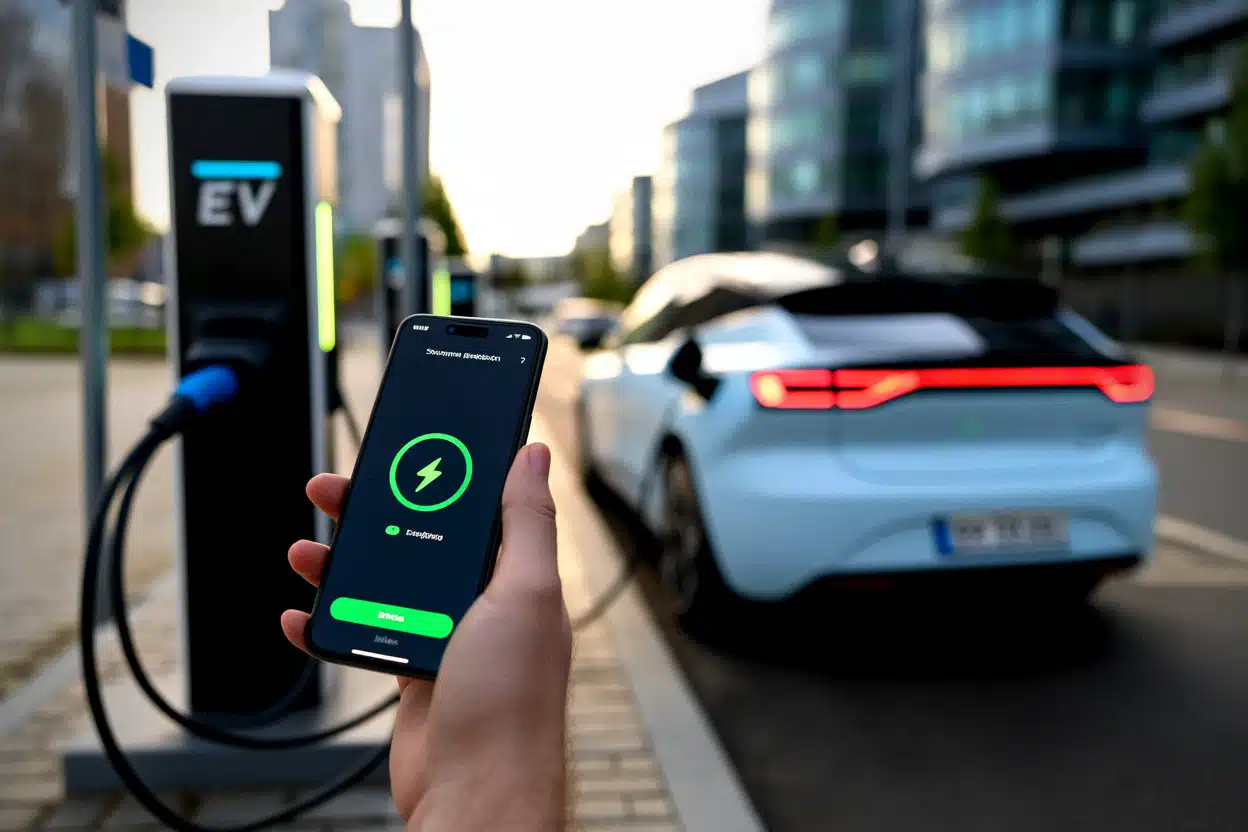
Why the plan is aimed squarely at pricey highway fast chargers
Engie’s messaging emphasizes that the rate applies in the city and on highways, because major routes are where drivers most acutely feel price gaps. Fast-charging stations—often 150 kW, 300 kW, or more—regularly charge more per kWh than urban chargers, reflecting higher installation, grid-connection, and operating costs, plus concentrated demand.
That’s why a fixed €0.33/kWh (about $0.36) becomes a powerful marker—if it truly applies at the fast-charging sites people use for vacation travel or work trips. The article gives an example: for a driver who adds 40 kWh on the highway, the difference between €0.33 and €0.60 per kWh is €10.80 on a single session (about $11.70). Over two or three fast charges in a month, the €9.99 subscription (about $10.80) could pay for itself quickly—assuming those stations are actually accessible at that rate.
In practice, highway charging also comes with factors that can muddy the real price. The advertised power isn’t always what the car receives, and a vehicle that can’t accept high power may end up paying for a premium service without getting the full benefit. Some platforms also add extra fees—such as per-minute charges—that penalize slower-charging vehicles.
Peak travel periods can add another complication: waiting increases the temptation to charge more than necessary to avoid returning to the station. A subscription can act as a guardrail against extreme price swings, but it doesn’t replace charging strategy. Many drivers still aim to charge only to about 60% or 70% at fast stations, then top off later at a cheaper destination charger.
The positioning also increases competitive pressure on other “pass” offers that trade monthly fees for discounts, often with different price tiers depending on the network. For frequent travelers, the comparison isn’t just price—it’s activation ease, billing quality, and the ability to get a clear receipt, which matters for fleets and self-employed drivers who need documentation.
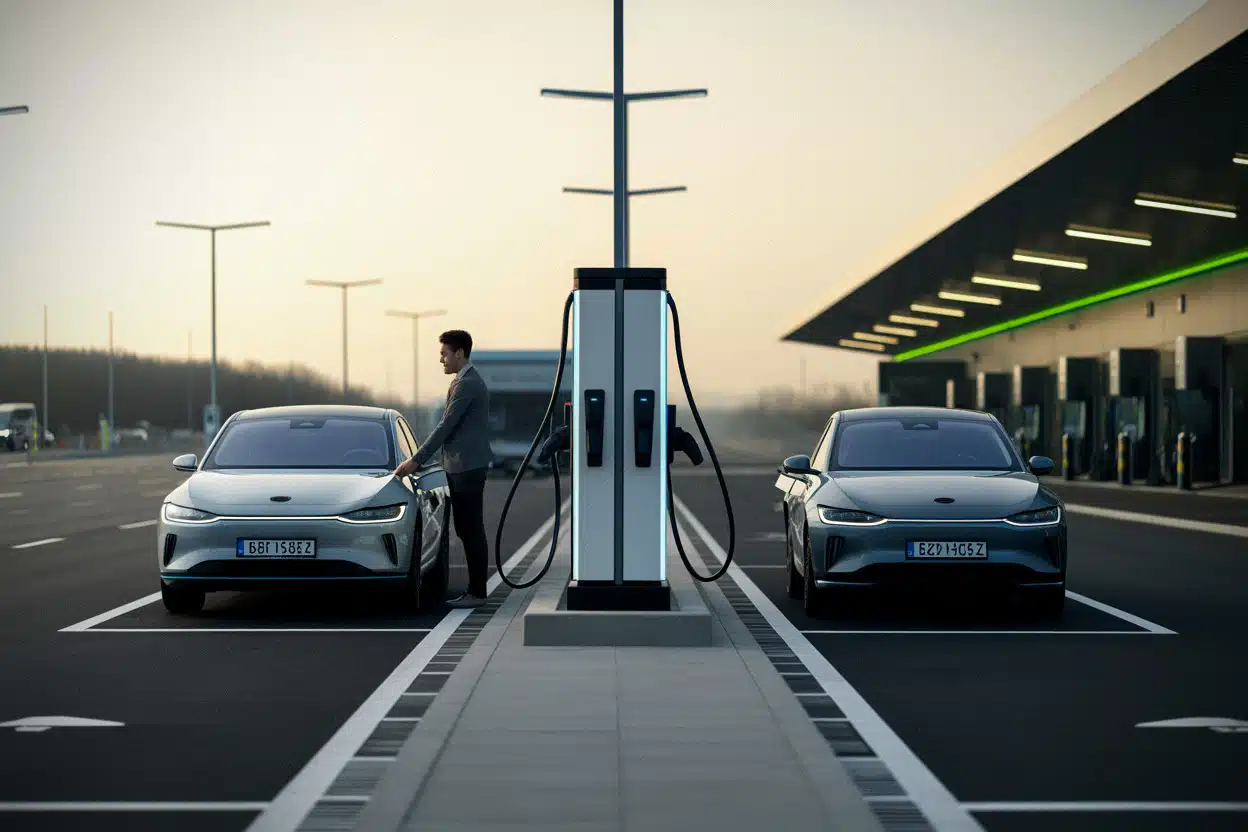
Roaming cards can expand access—but sometimes nearly double the bill
France’s public-charging market is fragmented, with many operators, networks, and intermediaries. Practical guides published in 2026 have warned that a single card often isn’t enough, because access depends on interoperability, roaming agreements, and local network rules. Many drivers end up carrying multiple badges or apps to avoid being blocked—or hit with unfavorable pricing.
That interoperability can come at a steep cost. Roaming fees—charged when a driver uses a universal card instead of paying directly through the network’s own system—can significantly raise the final price. In some cases, the bill can be close to double, due to stacked margins, commissions, and differing billing models. Drivers regularly complain that the price shown on the charger isn’t always what they pay with a third-party card.
Engie’s offer enters that landscape with a simplification promise: one subscription and a posted €0.33/kWh rate. But the article stresses two checks drivers should make before signing up: the real coverage (which networks actually honor that price) and billing transparency, especially where chargers apply add-on rules like fees after a set time or time-based pricing.
In cities, the picture can get even more complicated with curbside chargers that may be power-limited and subject to municipal rules—paid parking, maximum dwell times, and enforcement. A good rate only matters if the charger is available and the driver can stay long enough to get meaningful energy. In big cities, turnover is often fast, pushing drivers toward more frequent partial charges.
For many drivers, the practical goal becomes building a minimal toolkit: direct payment on the most-used networks, a reliable roaming option, and—if it fits their usage—a subscription like the €9.99 plan that stabilizes part of the cost. The real test is less about slogans than real-world sessions: what you actually paid, how easy it was to start charging, customer service, and how clear the receipts are.
Who actually benefits from paying €9.99 a month
The most useful question is charging profile. A driver who mostly charges at home—where per-kWh costs are generally lower than public charging—has little reason to pay a monthly fee, unless they regularly take long trips that require fast charging. By contrast, drivers without private charging or those who travel frequently may recoup the fixed cost quickly.
One way to think about it is energy use. EVs often consume about 15 to 20 kWh per 100 kilometers depending on the model, season, and road type. On that basis, 1,000 kilometers (about 620 miles) equals roughly 150 to 200 kWh. If the subscription saves €0.10 per kWh versus what the driver would have paid without it, monthly savings could reach €15 to €20 (about $16.20 to $21.60), covering the €9.99 fee. If the savings are only €0.05 per kWh, the break-even point rises to about 200 kWh.
High-mileage drivers—salespeople, taxis, ride-hail drivers, tradespeople—may see it as a budgeting tool, especially if part of their driving happens away from a home base and depends on public charging. But they still watch station availability closely, because waiting time carries a direct economic cost. Price is only one dimension alongside location, reliability, and delivered power.
Occasional drivers who rarely use public chargers risk paying for a subscription without getting real value. In that case, a no-subscription card—or paying directly at the charger when available—may be a better fit, even if the per-kWh price is higher for a handful of sessions each month. The logic is similar to phone plans: subscriptions only work when usage is steady.
Finally, the article flags a behavioral factor that can change the math: charging discipline. If a subscription nudges drivers to charge more on public stations instead of optimizing destination charging, it can shift habits and shrink the expected savings. A €0.33/kWh rate can make some sessions more affordable, but it doesn’t erase the differences in time, convenience, and planning between slow charging near home and fast charging on a heavily traveled route.
Frequently asked questions
How many kWh per month before the subscription becomes worthwhile? It depends on the gap between what you’d pay without the subscription and the €0.33/kWh rate. If the savings are €0.10/kWh, about 100 kWh offsets €9.99. If savings are €0.05/kWh, break-even rises to about 200 kWh.
Does the €0.33/kWh rate apply to all public chargers? No. Real-world application depends on which networks are accessible through the offer and roaming agreements. The article recommends checking coverage in the areas you use most—city driving, commuting routes, and highway corridors—and verifying the billed price across multiple sessions.
Why is highway charging often more expensive? Fast-charging stations require heavier investment—high-capacity grid connections, maintenance, 24/7 availability—and demand is concentrated. Those factors push prices higher, especially at busy hubs.
Can a roaming card cost more than paying directly? Yes. Roaming fees and intermediary billing models can raise the final price above the network owner’s rate. In some cases, the bill can increase sharply, which is why the article urges comparing what you actually pay depending on the badge or app.
Key takeaways
Engie is promoting a €9.99-per-month (about $10.80) no-commitment subscription tied to a posted €0.33/kWh (about $0.36) rate on eligible public charging. The value is strongest for drivers without home charging or those who rack up miles and rely on fast chargers—especially on highways where prices can be high. But roaming fees, network coverage, and add-on time charges remain critical variables that can change the real-world cost.
Sources
Recharge électrique : cet abonnement à 10 € par mois veut …
49,99 €/mois pour recharger sa voiture en illimité chez soi …
🚗🔌 Vous êtes conducteur d’une voiture électrique ? ENGIE …
Recharge électrique : cet abonnement à 10 € par mois veut …
Meilleure carte de recharge électrique (2026) : laquelle choisir ?
Key Takeaways
- Engie highlights a €9.99-per-month subscription with no contract commitment
- The advertised rate is €0.33/kWh for eligible public charging
- The value is greater for drivers without home charging or for high-mileage drivers
- On highways, a fixed price can reduce the impact of expensive fast charging sessions
- Roaming fees remain a point to watch when choosing a charging card
Frequently Asked Questions
Starting at how many kWh per month does the subscription become cost-effective?
Cost-effectiveness depends on the difference between what you pay without a subscription and the $0.33/kWh rate. If you save $0.10/kWh, you need about 100 kWh to offset the $9.99 fee. If you only save $0.05/kWh, the break-even point rises to around 200 kWh.
Does the $0.33/kWh rate apply at all public charging stations?
No. Actual availability depends on the networks included in the plan and roaming agreements. Before subscribing, check coverage in the areas you use most—your city, commute routes, and highway corridors—then verify the price charged across several sessions.
Why does highway charging often cost more?
Fast-charging sites require higher investment: high-power grid connections, maintenance, 24/7 availability, and concentrated demand. These factors push prices up, especially at heavily used hubs.
Can a roaming card cost more than paying directly?
Yes. Roaming fees and intermediary billing models can increase the final price compared with the charging network’s direct rate. In some cases, the total can rise significantly, which is why it’s worth comparing the actual price you pay depending on the card or app you use.
Sources
- Recharge électrique : cet abonnement à 10 € par mois veut …
- 49,99 €/mois pour recharger sa voiture en illimité chez soi …
- 🚗🔌 Vous êtes conducteur d'une voiture électrique ? ENGIE …
- Recharge électrique : cet abonnement à 10 € par mois veut …
- Meilleure carte de recharge électrique (2026) : laquelle choisir ?



