Break-ins aren’t just a retail problem, or a big-city problem. Every year, thousands of businesses across France report burglaries or attempted intrusions, and the fallout looks familiar to any U.S. owner: stolen equipment, wrecked property, halted operations, and reputations that can take years to rebuild.
The takeaway is simple: a serious intrusion alarm system isn’t a “nice-to-have.” It’s the backbone of a modern security plan, one that deters criminals, detects threats fast, and helps keep your doors open the next morning.
And protecting a business today goes way beyond deadbolts. The best setups combine sensors, smart controls, rapid alerts, and, when needed, video verification and professional monitoring. Whether you run an office, warehouse, storefront, or factory, the goal is the same: protect assets, sensitive data, and the people who show up to work.
Why intrusion security matters more than most owners think
A break-in can hit a company from multiple angles at once. There’s the obvious cost of replacing stolen laptops, tools, inventory, or machinery. Then come the quieter losses: downtime while you repair damage, missed orders, insurance deductibles, and the administrative grind of reports and investigations.
There’s also legal exposure. If an intrusion leads to stolen customer data or compromised systems, the incident can trigger regulatory headaches and lawsuits, especially for businesses handling payment information, health data, or proprietary designs.
And don’t underestimate the human impact. A burglary can rattle employees, damage morale, and make people feel unsafe at work. A well-designed alarm system is as much about protecting your team’s sense of security as it is about protecting your inventory.
The building blocks of a high-performing intrusion alarm system
Effective intrusion protection isn’t one gadget, it’s a coordinated system. The best setups create layers: detect, confirm, alert, and deter.
Sensors: the “eyes and ears” that catch trouble early
Different sensors cover different risks, and most businesses need a mix:
Motion detectors:Often passive infrared (PIR) or dual-tech sensors, these watch for movement and heat changes inside a space. They’re a go-to for offices, hallways, and wide-open areas like warehouses.
Door and window contacts:These perimeter sensors trigger when an entry point opens unexpectedly. They’re basic, but essential.
Shock and vibration sensors:Built for glass, walls, safes, and other hard surfaces, these detect impact or drilling attempts before an intruder fully gets in.
Infrared beam barriers:Common outdoors or in long corridors, these create an invisible “trip line” that triggers when the beam is broken.
The control panel: the brain that decides what happens next
The alarm panel collects signals from every sensor, determines whether an alert is credible, and triggers the response you’ve programmed, sirens, notifications, monitoring-center calls, or camera recording. Most modern systems also support secure mobile apps so authorized staff can arm, disarm, and check status remotely.
Sirens and communicators: the tools that scare off intruders and summon help
Once the system detects an intrusion, it needs to make noise and send the message. Indoor and outdoor sirens provide immediate deterrence; exterior sirens often include a strobe light to draw attention.
Alerts can be transmitted several ways:
Landline (PSTN):Traditional phone-line signaling, still used in some setups.
IP/internet:Fast, common, and typically reliable, if your network stays up.
Cellular (LTE/5G):Critical backup when internet or phone lines are cut, one of the most common tactics in targeted break-ins.
Add-ons that can dramatically raise your security ceiling
Depending on your risk profile, businesses often pair alarms with:
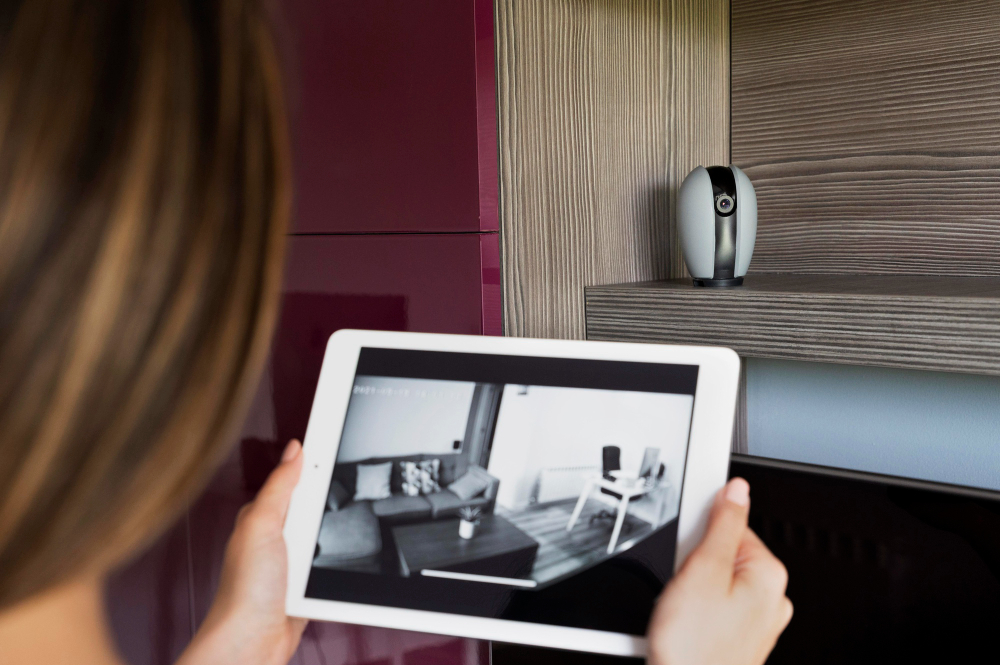
Security cameras:Video verification helps confirm whether an alert is real and preserves evidence.
Fog generators:These rapidly fill a room with dense fog during a break-in, making it difficult to see or steal anything.
Access control:Badges, keypads, or biometrics restrict sensitive areas and create an audit trail of who entered and when.
How to choose the right system for your building
Buying an alarm system without a plan is how businesses end up with blind spots, or constant false alarms. The smarter move starts with a risk assessment tailored to your site.
Start with a security audit, not a shopping list
A professional audit should evaluate what you do, what you store, and how your building is laid out. That includes the number of entry points, vulnerable windows, loading docks, interior choke points, and whether you’re in a dense commercial area or a more isolated location.
The goal is to identify high-risk zones and match them with the right mix of sensors, coverage, and response protocols.
Wired vs. wireless vs. hybrid: what works best in real life
Wired systemsare known for stability and are often ideal for new construction or major renovations where cabling can be built in cleanly.
Wireless systemsinstall faster and with less disruption, especially in existing buildings where running cable is expensive or impractical. Modern wireless gear is far more reliable than earlier generations, but it does require battery management.
Hybrid systemscombine both: wired where it makes sense, wireless where it’s hard to reach or where needs may change.
Certifications and standards: the shorthand for quality
In France, the NF A2P certification is a widely recognized benchmark for burglary resistance in alarm equipment. Across Europe, the EN 50131 standard grades systems from 1 to 4 based on security level.
For U.S. readers, think of this like choosing equipment that meets recognized third-party performance standards, similar in spirit to UL-listed security products. The point isn’t the acronym; it’s buying gear that’s been tested to hold up under real-world attack methods.
Features that matter most for businesses
Look for capabilities built for commercial reality:
Professional monitoring:A 24/7 monitoring center can verify alerts and coordinate response, calling police, dispatching security, or contacting keyholders.
Verification (“video or audio check”):Helps reduce false alarms and speeds up decision-making.
Remote management:Arm/disarm, view event history, and manage users from a secure app or web portal.
Multiple zones:Arm the warehouse while staff still work in the front office, or secure high-value rooms separately.
Installation, integration, and maintenance: where systems succeed or fail
The best equipment can still underperform if it’s installed poorly. Professional installers reduce blind spots, tune sensitivity to cut false alarms, and train staff so the system actually gets used correctly.
Integration matters, too. When alarms talk to cameras, access control, and lighting, you get a stronger, easier-to-manage security ecosystem. For example, an alarm can trigger exterior lights, cue cameras to focus on the breached zone, and lock down certain doors automatically.
Maintenance is non-negotiable. Batteries fail. Firmware ages. Sensors drift. Regular testing and updates keep the system ready for the day you actually need it.
What an intrusion alarm costs, and how to think about the ROI
The original article doesn’t list specific euro amounts, but the cost drivers are clear, and they translate directly to the U.S. market. Price depends on building size, number of entry points, required security level, whether you choose wired or wireless, and whether you add monitoring, cameras, video verification, fog systems, or access control.
Think in two buckets: upfront costs (equipment and installation) and ongoing costs (monitoring fees, maintenance, battery replacement, software updates). The cheapest bid can become the most expensive mistake if it leaves gaps or fails when it counts.
The return is often measurable: fewer losses, less downtime, and in some cases lower insurance premiums, especially when systems meet recognized standards and include monitoring.
Beyond alarms: the layered approach that actually stops intruders
Alarms work best as part of a broader plan:
Access controllimits who can enter sensitive areas and creates accountability.
Video surveillancedeters crime and provides evidence when deterrence fails.
Physical hardening, solid doors, high-security locks, protected windows, good exterior lighting, and perimeter barriers, slows intruders down and increases the chance they’ll be detected before they get what they came for.
Employee trainingcloses the human loopholes: propped doors, shared codes, sloppy closing routines, and confusion during an alarm event.
The bottom line: security is a business continuity tool
An intrusion alarm system isn’t just about catching criminals, it’s about keeping your operation running. The businesses that fare best after a break-in are the ones that planned for it: they assessed risk, installed the right mix of sensors and communications, integrated cameras and access control where needed, and kept the system maintained and staff trained.
That kind of preparation doesn’t just protect property. It protects your people, your customer trust, and your ability to open tomorrow.
| Type de Coût | Description | Exemples |
|---|---|---|
| Coûts Initiaux | Achat des équipements et frais d’installation. | Centrale, détecteurs, sirènes, câblage, main d’œuvre. |
| Coûts d’Exploitation | Dépenses régulières pour le fonctionnement et l’entretien. | Abonnement télésurveillance, contrat de maintenance, remplacement de batteries, frais de communication (carte SIM). |